 Optencis
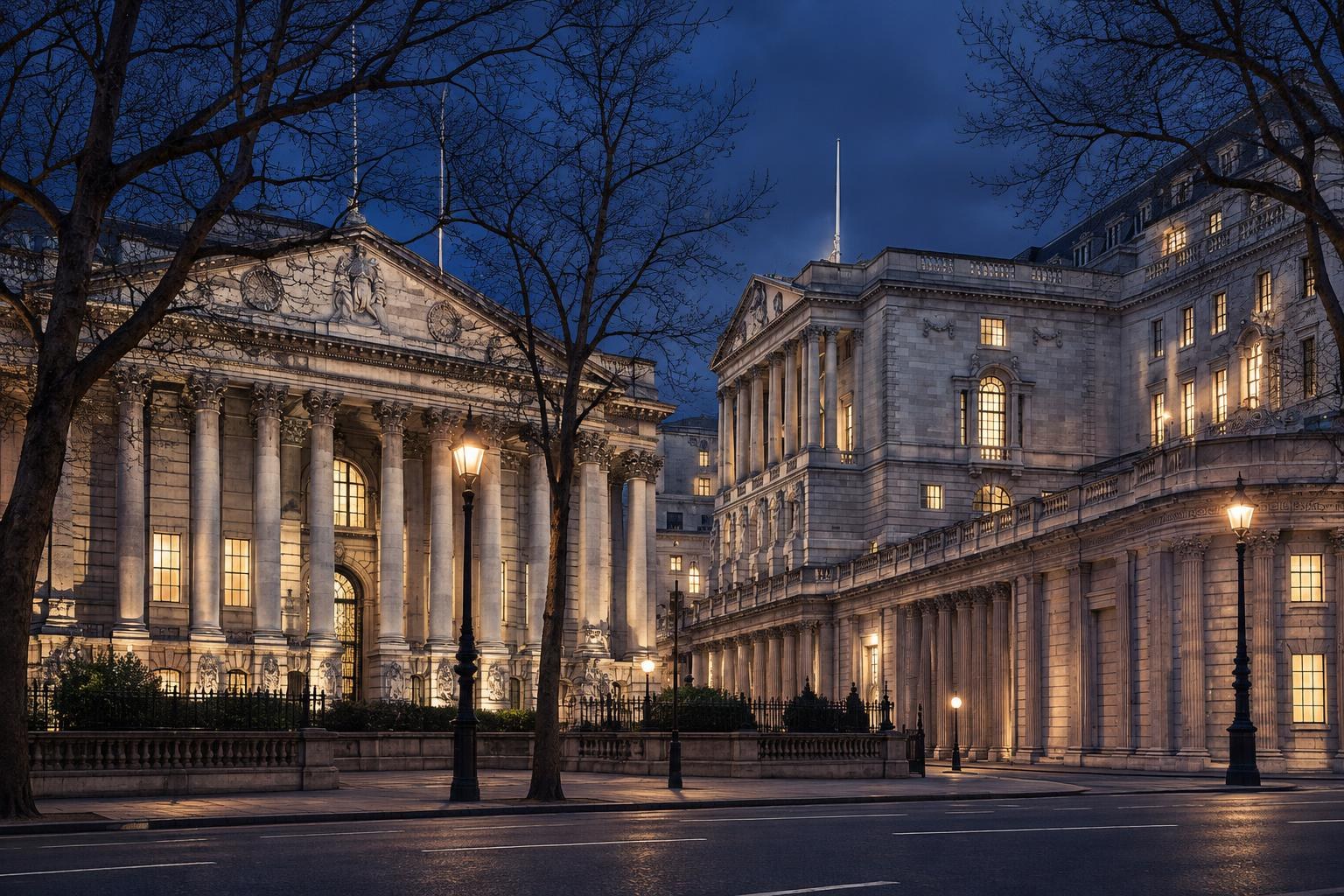
The Bank of England (BoE) raised Bank Rate, the interest rate it pays on reserves and the anchor for UK borrowing costs, by 0.25 percentage points to 4% on 5 November 2026. The move matched forecasts, but the Bank also warned that UK inflation is heading towards about 5% by the middle of next year, and Bloomberg reported that it left room for a further increase.
What the Bank decided
The Monetary Policy Committee (MPC), the nine-member group that sets UK interest rates, voted 8-1 to lift Bank Rate from 3.75% to 4%. The one dissenter wanted a bigger step of 0.5 percentage points, to 4.25%. The decision was published at 12:00 UTC after a meeting that ended on 4 November.
This is the first increase of the current cycle. Bloomberg noted that the Bank had not raised rates for over three years before today. Economists had broadly expected the size of the move, so attention turned quickly to the vote split and the outlook for inflation.
Energy is driving the decision
The Bank tied its decision to the energy shock linked to the Middle East conflict, which has now lasted about nine months. Over the 15 UK working days to 27 October, front-month Brent crude futures averaged $108 per barrel and UK gas futures averaged 216 pence per therm, 38% and 81% above levels at the time of the July Monetary Policy Report.
UK consumer price inflation reached 3.5% in September, and the minutes say direct energy effects, mostly from fuels, accounted for around 1 percentage point of that figure. The Bank expects inflation to climb to roughly 5% by mid-2027 before easing as energy base effects fade. It said there is still little sign that energy costs are spreading to other prices and wages, but judged that enough pressure is building to justify tighter policy. It added that activity data have come in stronger than expected in recent months.
- 1Middle East conflictRunning for about nine months
- 2Energy costs climbBrent averaged $108 per barrel
- 3UK inflation risesCPI at 3.5% in September
- 4Bank Rate increaseLifted to 4% in 8-1 vote
The vote and the guidance
Before the meeting, the economic calendar pointed to a 7-2 split, with two members expected to favour no change. Instead, eight members backed the quarter-point rise and the only dissent was for a larger move. That contrast is why traders focused on the message as much as on the rate itself.
The Bank stressed that it is not committed to a fixed course and will judge each meeting on the evidence, in particular whether high energy costs feed into broader pricing and pay. Its stated aim remains bringing CPI inflation back to the 2% target over the medium term. Ahead of the announcement, a Bloomberg measure of the pound's broad value had already reached its highest point since the 2016 referendum on EU membership, reflecting solid UK data and rate expectations.
Read alsoBank of England preview: Bank Rate forecast at 4.00%, up from 3.75%Why traders care
Interest rate decisions shape the return on holding a currency and the cost of borrowing for households and firms. When a central bank tightens policy and keeps the door open to more, markets reassess the expected path of rates, which affects the pound, UK government bond yields and UK shares.
The main uncertainty sits outside the UK. The Bank itself says a credible de-escalation in the Middle East could bring energy prices down, while further conflict or damage to refining capacity could keep them higher than futures markets currently assume. That makes energy headlines an important input for the December decision.
Sources: investingLive, Bloomberg, Bank of England, CNBC, ForexFactory.