 Optencis
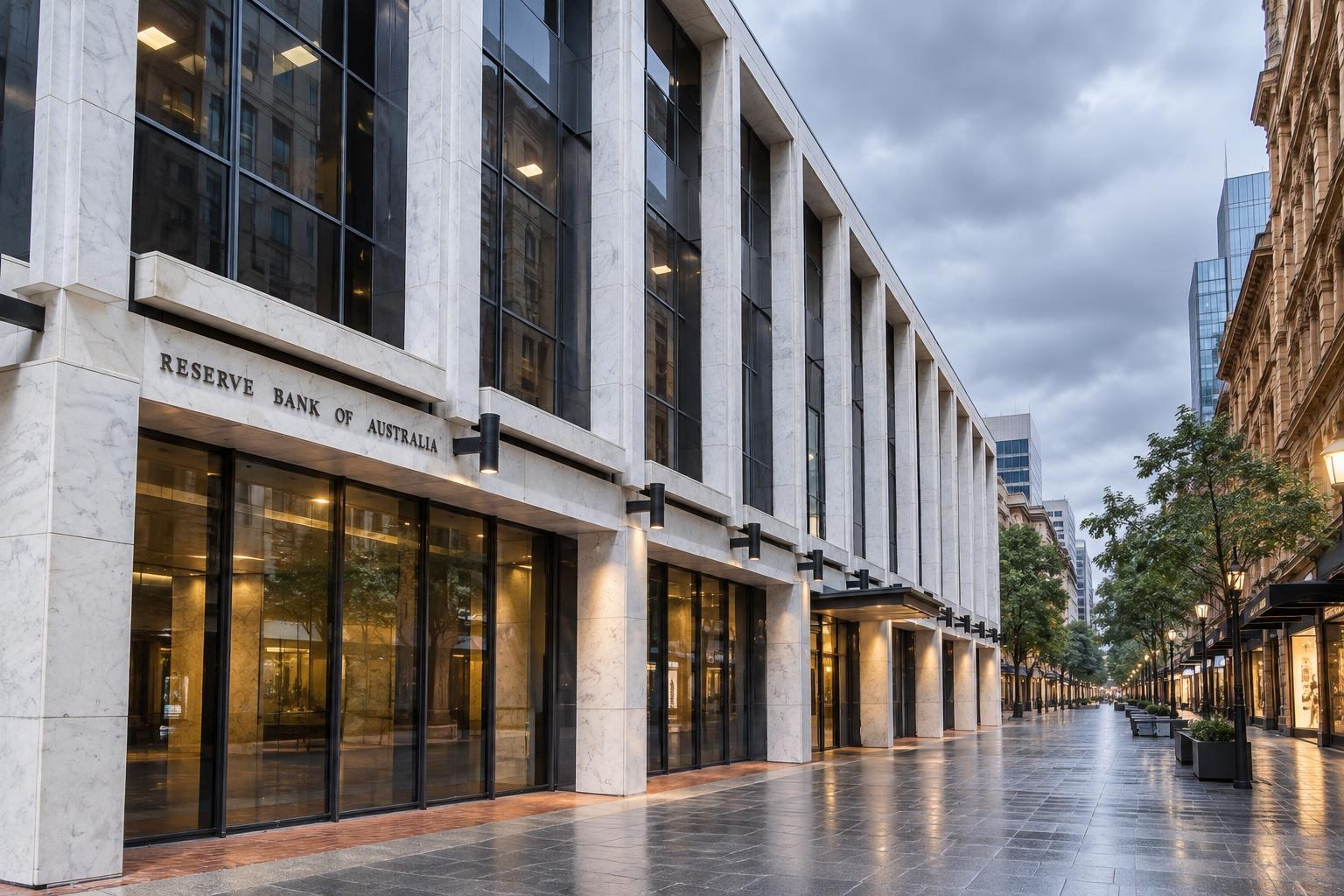
The Reserve Bank of Australia (RBA) raised its cash rate target by 25 basis points to 4.85% on 3 November 2026, in a decision announced at 03:30 UTC. CNBC reported that this is the fifth increase this year and takes the rate to an 18-year high. The Board said inflation remains too high and is now expected to take longer to come back to target.
The decision and the vote
The cash rate target, the main interest rate the RBA sets, rose from 4.60% to 4.85%. The Board did not agree unanimously. Six members voted for the 25 basis point increase, while three preferred to keep the rate unchanged at 4.60%. A split like this shows that some policymakers saw a case for waiting.
Why the RBA raised rates
The Board said inflation is high and spread across many goods and services. Its staff revised the inflation outlook materially higher, partly because the Middle East conflict has pushed up fuel and other commodity prices. The RBA also judged that the economy has been running a little hotter than it thought, and that firms are passing higher fuel costs on to their customers. Strong investment linked to artificial intelligence is also lifting prices of technology goods.
Inflation is now forecast to stay above 3% over the coming year and to reach the top of the 2–3% target range only in late 2027, around three quarters later than in the previous forecasts. The Board warned of a growing risk that higher inflation expectations become embedded, and said some measures of those expectations have already risen.
- 1Higher fuel pricesMiddle East conflict disrupts oil supply
- 2Costs passed onFirms raise other goods' prices
- 3Inflation stays elevatedAbove 3% over coming year
- 4Rate hikeCash rate raised to 4.85%
A slowing economy in the background
The RBA acknowledged that this year's rate rises are already weighing on activity. According to the statement, growth is losing pace, home prices have dropped sharply and joblessness has edged up. Staff expect growth to slow further over the next year and the unemployment rate to rise by more than projected in August. Business investment, including spending on data centres, is expected to be a support in the near term.
Read alsoBank of England preview: Bank Rate forecast at 4.00%, up from 3.75%How it compares with expectations
The outcome matched the calendar forecast of 4.85%. CNBC reported that the decision was also in line with economists polled by Reuters, and Bloomberg had flagged a hike as the expected outcome before the announcement. The surprise element, if any, lies in the three votes for a hold and in the later timing of the inflation forecast.
What comes next
The Board gave no fixed path for future moves. It said it will watch the data and its assessment of risks closely and will do what it considers necessary to bring inflation back to target. It also highlighted heightened uncertainty, including scenarios where the Middle East conflict leads to higher inflation and weaker growth than forecast. The full Statement on Monetary Policy sets out the staff forecasts behind the decision.
Sources: Reserve Bank of Australia, Bloomberg, CNBC.