 Optencis
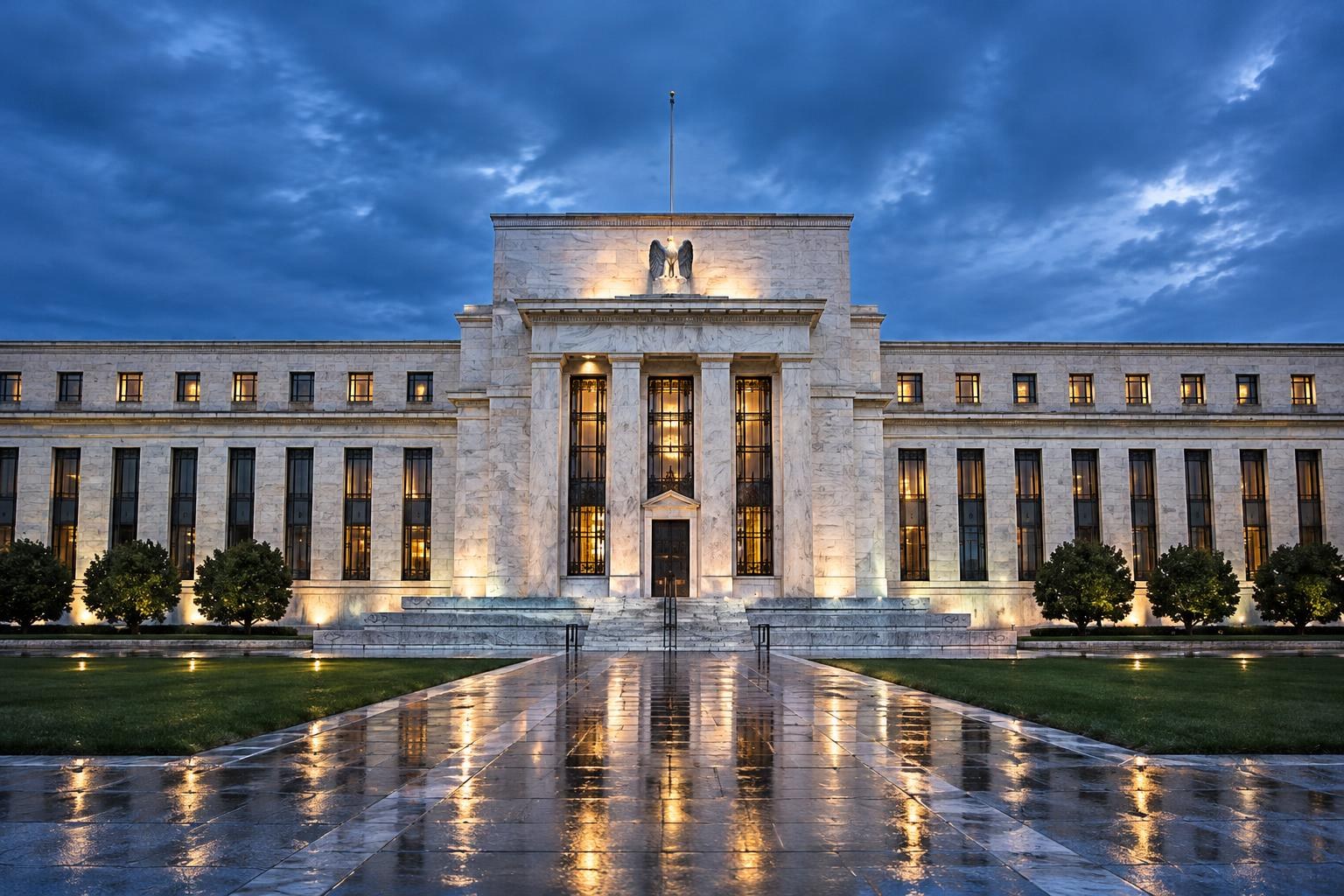
The US Federal Reserve (Fed) left interest rates unchanged on 28 October 2026, keeping its policy rate at 4.00%, as forecasts expected. At the press conference after the decision, Fed Chairman Kevin Warsh said inflation is still too high and that policymakers will "deliver price stability".
What happened
The Federal Open Market Committee, the group of Fed officials that sets US interest rates, held the federal funds rate steady, Bloomberg reported. The economic calendar listed both the forecast and the previous level at 4.00%, so the decision matched expectations. The committee published its policy statement, and Warsh then took questions from reporters.
What Warsh said
Warsh said inflation remains too high and repeated that the Fed will deliver price stability, according to Bloomberg. He also described monetary policy as a 'medicine' that is starting to work, meaning the effect of past rate levels is beginning to show in the economy. At the same time, he said there are no firm conclusions on policy right now, which leaves the path ahead open. Later in the day, Treasury Secretary Scott Bessent spoke to CNBC about the decision. Our sources do not detail what he said.
He said inflation remains too high, the effects of tight policy are starting to show, and the Fed has not drawn firm conclusions about its next steps.
Views reported by the sources, not Optencis opinions.
The figures
The policy rate stays at 4.00%, the same level as before the meeting and the same as the consensus forecast. Because the decision was widely expected, attention turned to the press conference. Markets often react more to a central bank's tone and hints about the future than to an expected decision itself.
Read alsoBank of England preview: Bank Rate forecast at 4.00%, up from 3.75%Why it matters
The Fed's rate affects borrowing costs across the US economy and is closely watched by traders of the US dollar, US stock indices and gold. In general, higher rates for longer tend to support a currency, while signs of upcoming cuts tend to have the opposite effect. Warsh's message combined two ideas: inflation is still too high, but policy is starting to work. Traders will weigh both parts as they look for clues about the Fed's next moves.
What to watch next
With Warsh saying there are no firm conclusions yet, the next US inflation figures will be important to see whether price pressures are easing. Speeches by Fed officials in the coming weeks may also add detail to how the committee sees the outlook. We will cover these events as they come.