 Optencis
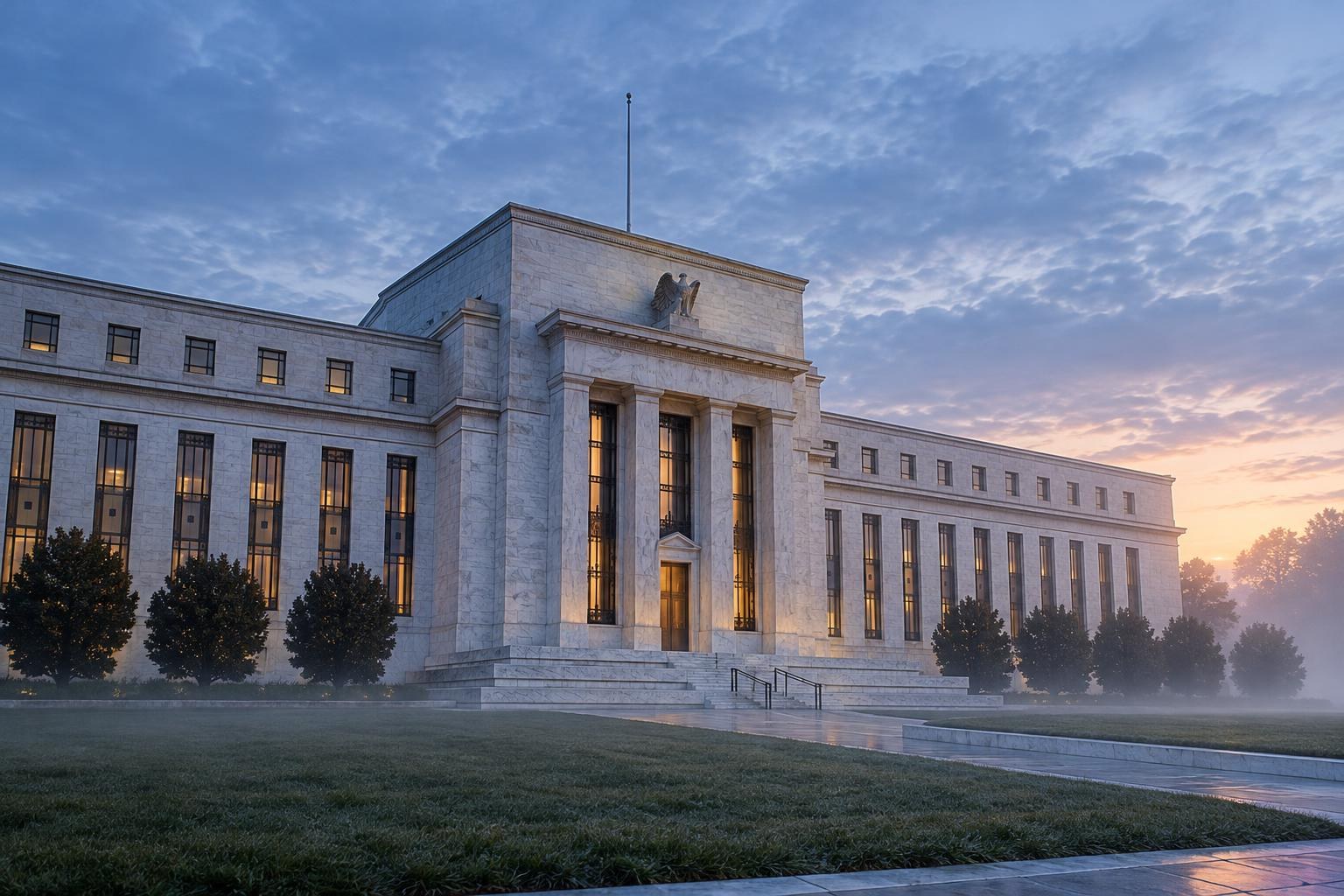
The US Federal Reserve (Fed) on Wednesday, 18 November 2026, released the minutes of its policy meeting held on 27-28 October. According to Bloomberg, the record shows that nearly all officials agreed further increases in interest rates would probably be needed over the coming months. Their stated aim is to bring inflation back to the 2% goal without letting it stay above target for too long.
What the minutes say
The Federal Open Market Committee (FOMC), the Fed body that sets US interest rates, publishes a detailed account of each regular meeting roughly three weeks after the decision. This time the document covers the October gathering. The central message, as reported by Bloomberg, is one of broad agreement: almost every participant saw more tightening as likely in the months that follow. The Fed itself stresses that the minutes reflect only the information officials had in hand when they met, not data released since then.
Why the wording matters
Minutes rarely contain new decisions, but they reveal how widely views are shared inside the Committee. When a single official speaks, markets can treat it as one voice. When the record describes near-unanimity, it carries more weight, because it suggests the debate is less about whether to act and more about timing. This release adds to recent comments from individual Fed policymakers that had already pointed in a similar direction, and it follows the latest US jobs report, which had revived discussion about the path of rates.
The inflation goal behind the debate
The Fed targets inflation of 2% over time. The minutes frame further rate increases as a tool to get back to that level in a reasonable time frame. Raising the policy rate, the interest rate the central bank sets, makes borrowing more expensive across the economy. That tends to cool spending and, over time, ease price pressures. The emphasis on timeliness suggests officials were concerned about inflation staying above target for longer than they would accept.
Read alsoWeek in Review: Fed signals more hikes, US stocks slide and euro drops below $1.10Why traders follow it
Expectations for Fed policy feed directly into the US dollar, US Treasury yields and US equity indices such as the Nasdaq 100. A change in how markets see the rate path can shift relative interest rates between the United States and other economies, which matters for major currency pairs such as EUR/USD, GBP/USD and USD/JPY. Because the minutes describe a meeting held three weeks ago, traders also compare their message with the economic data published since then.
Sources: Federal Reserve, Bloomberg, ForexFactory.